Someone will try to overcharge you in Varanasi. It's not a maybe — it's close to guaranteed, for at least one auto ride, one boat, or one "special price, only for you" shop visit. It's not because the city is unsafe. It's because almost no one tells visitors what things actually cost.
My uncle has lived a few minutes from the ghats his whole life. He's watched the same small handful of overcharges happen to visitors, year after year — always the same tricks, always aimed at people who simply don't have a number to compare against.
So here's that number. No affiliate links, no "book through us to avoid this" pitch at every turn — just real, approximate prices and patterns, so you're never standing there guessing.
Varanasi (also called Kashi or Banaras) is one of the most rewarding cities in India to visit — and one of the most written-about when it comes to tourist scams. Most of that writing comes from people trying to sell you something right after warning you. This doesn't.
Getting Around
Auto-rickshaw from Varanasi Junction (Cantt) to the ghats area
Fair price: approximately ₹80–120 | What tourists often get quoted: ₹300–500
The trick is simple — drivers assume you don't know the real distance or rate. Quick ways to protect yourself:
- If the quote is far above ₹120, negotiate or check a ride app for a rough benchmark
- Or simply walk a few steps to the next auto — there's rarely just one
- Most local drivers are genuinely fine; it's a minority who lean on the "tourist markup"
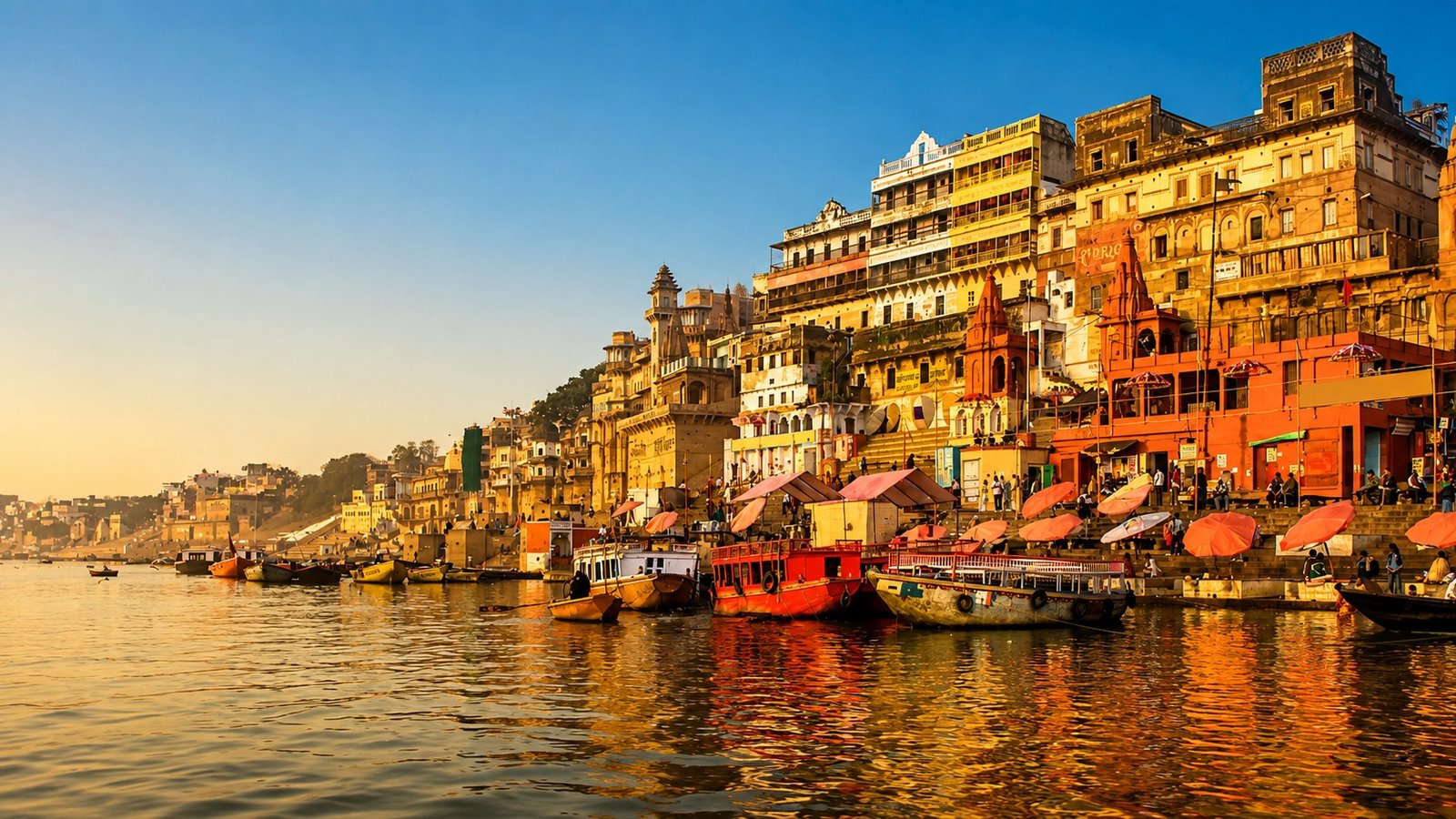
Private boat ride (sunrise or general)
Fair price: approximately ₹1,200–2,000 per hour, depending on boat size and season
Sunrise rides carry a small natural premium — more demand, earlier start for the boatman — but that premium should be modest, not double the going rate. Shared boats (splitting with other travelers) are usually the most economical option if you're comfortable with company.
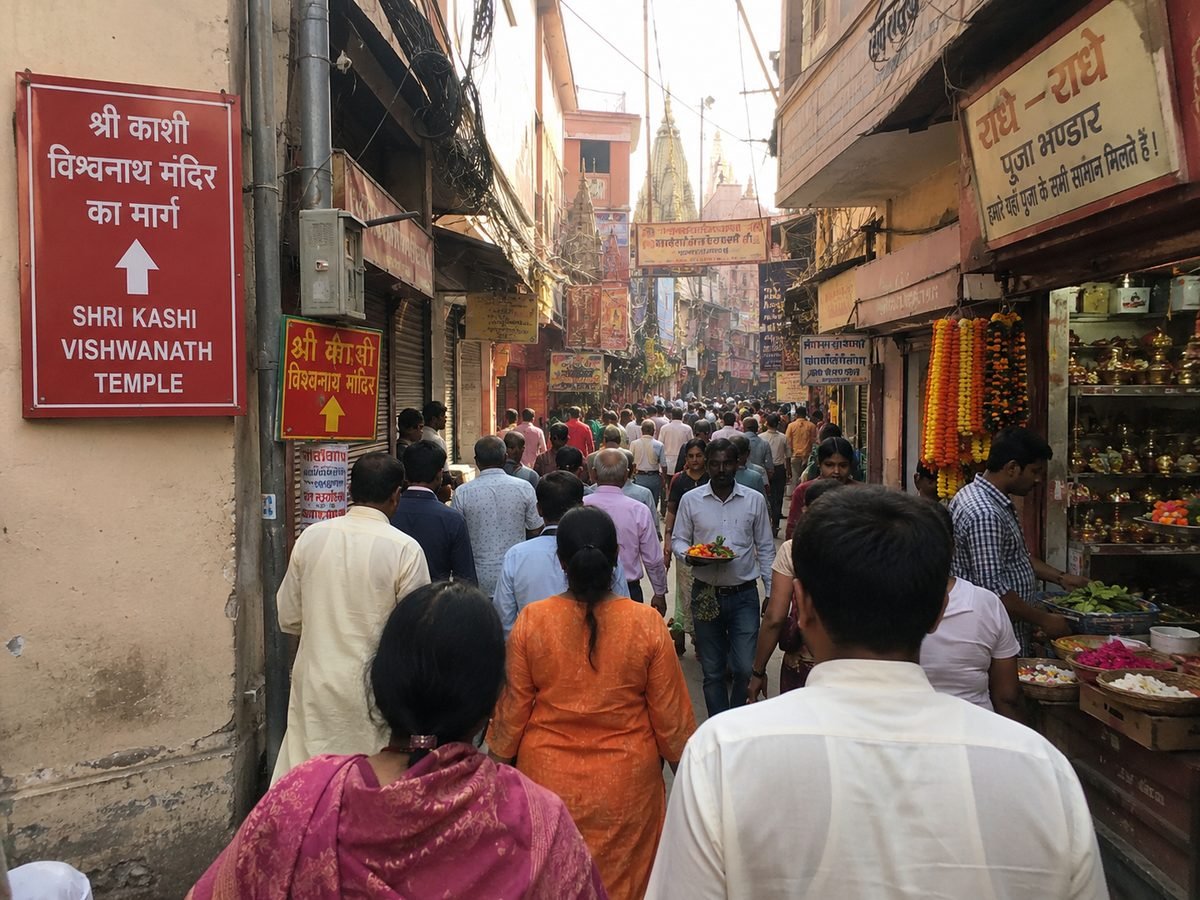
Cycle rickshaw within the old city / narrow lanes
Fair price: approximately ₹30–60 for a short hop
Agree on the price before getting in, not after — this single habit avoids most disputes.
Temple Darshan
Kashi Vishwanath — Sugam Darshan (the paid fast-track option)
Official rate: approximately ₹300 per person
Booked directly through the temple's own official portal, not through a middleman. If someone offers to "arrange" this for a significantly higher price, you're paying for convenience you don't need — the official process is simple enough to do yourself, or we'll walk you through it, free.
Regular (free) darshan
No fee — but expect a queue, sometimes a long one, especially on weekends and during festival periods. Completely legitimate, dignified way to visit; it just takes patience.
The Ganga Aarti Boat
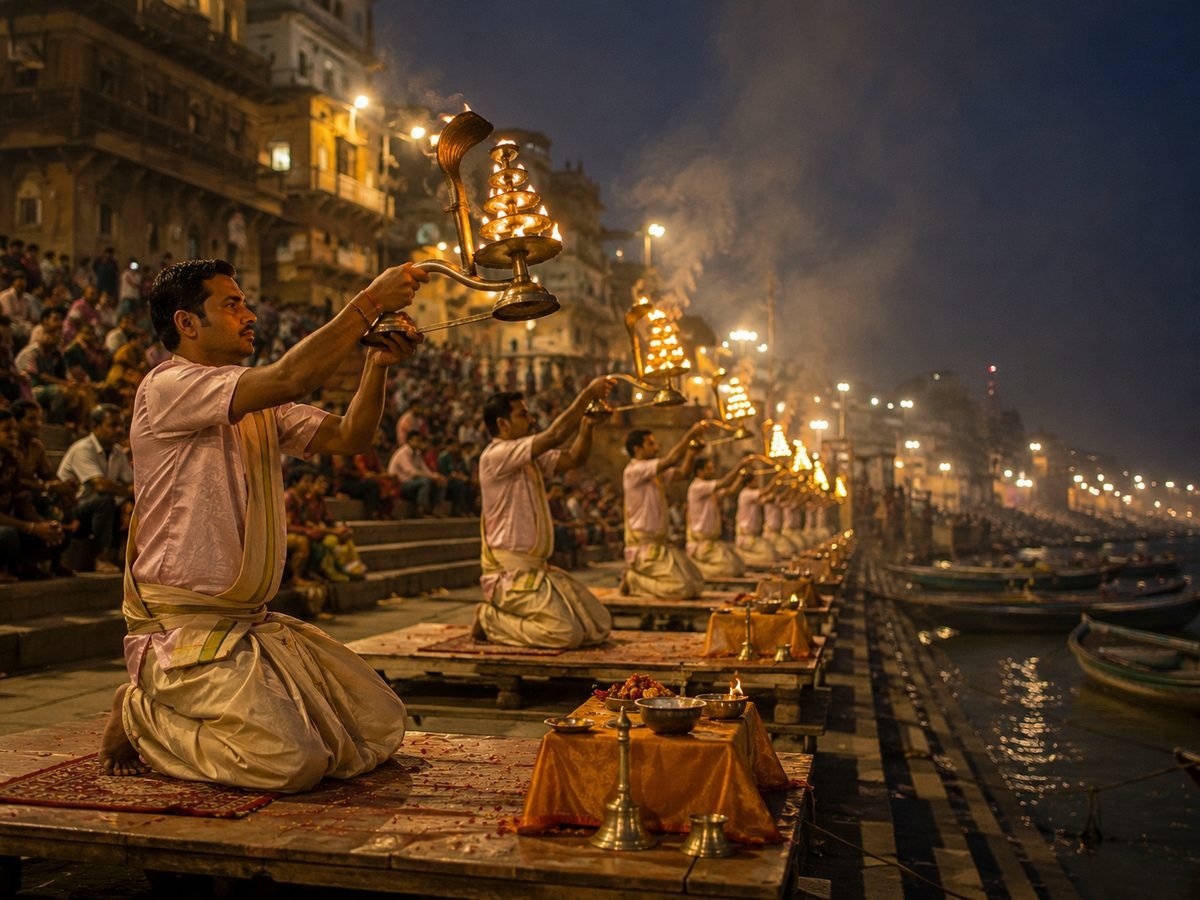
A shared or simple boat for the evening aarti should cost a modest, reasonable amount — well below what's sometimes advertised as a "premium front-row aarti boat," which can run considerably higher for what is, practically, a slightly better angle for about 45 minutes.
Our honest take: a boat positioned a short distance out, arriving about 15 minutes before the ceremony starts, gives a genuinely excellent view. You don't need the most expensive package to see it well.
A Few Patterns Worth Knowing
- The "wood donation" ask near Manikarnika or Harishchandra Ghat — a request for money "for wood" or "for the poor," framed as spiritual donation. This isn't how genuine cremation processes work. Want to give? We'll point you to a legitimate, verified way.
- The "your hotel is closed" line — some drivers claim your booked hotel is full or shut, steering you to a "better" one that pays them commission. Insist on your actual address; it's almost always open and expecting you.
- Unsolicited "blessing" or tilak offers — applied without being asked, followed by a payment request. Fine to politely decline.
- The "government-approved guide" claim — a "free" walking tour that conveniently ends at a shop paying the guide commission. Genuine guides don't usually solicit on the street. Ask for ID, or just decline.
- Silk shop "factory visits" — a "real family factory, no obligation" is often just a commission shop. Genuine Banarasi silk shopping deserves its own honest guide — coming soon.
A Few Questions People Often Ask
Is Varanasi safe for tourists, including solo travelers?
Yes, generally — Varanasi sees a large number of domestic and international visitors every year, and the vast majority have no serious issues. The patterns above are about avoiding overpayment and minor hassle, not personal safety.
Should I negotiate every price, even small ones?
For small amounts (a cycle rickshaw ride, a cup of chai), it's usually not worth the friction. Save the energy for bigger-ticket items — boats, day-long transport, shopping — where the gap between fair and inflated pricing is largest.
Do I need a guide to avoid these issues?
Not necessarily — this list alone covers most of what a first-time visitor runs into. A local guide simply removes the need to think about any of it, which some people prefer, especially with family, older parents, or limited time.
The Honest Bottom Line
You don't need to hire us to avoid any of this — these are simply the fair prices and common patterns, freely shared. If you'd rather have one trusted local handle the coordination so you don't have to think about any of it, that's what we're here for. But even if you never message us, we hope this helps you enjoy Varanasi the way it deserves to be seen: without the small frictions that shouldn't be part of the experience.
Have a specific question before your trip? We're happy to help, no obligation.
Message Us on WhatsApp