Ask most people what Varanasi is, and they'll say: temples, the Ganga, rituals. All true — but it's not the whole city. Varanasi is also home to master weavers, live classical music that happens on ordinary evenings for no particular reason, a street food scene locals actually eat, and a university campus most visitors never think to walk through.
You don't have to choose one Varanasi over the other. The spiritual side and this side sit right next to each other, often on the same street. Here's what most guides skip.
Watch Banarasi Silk Actually Being Woven
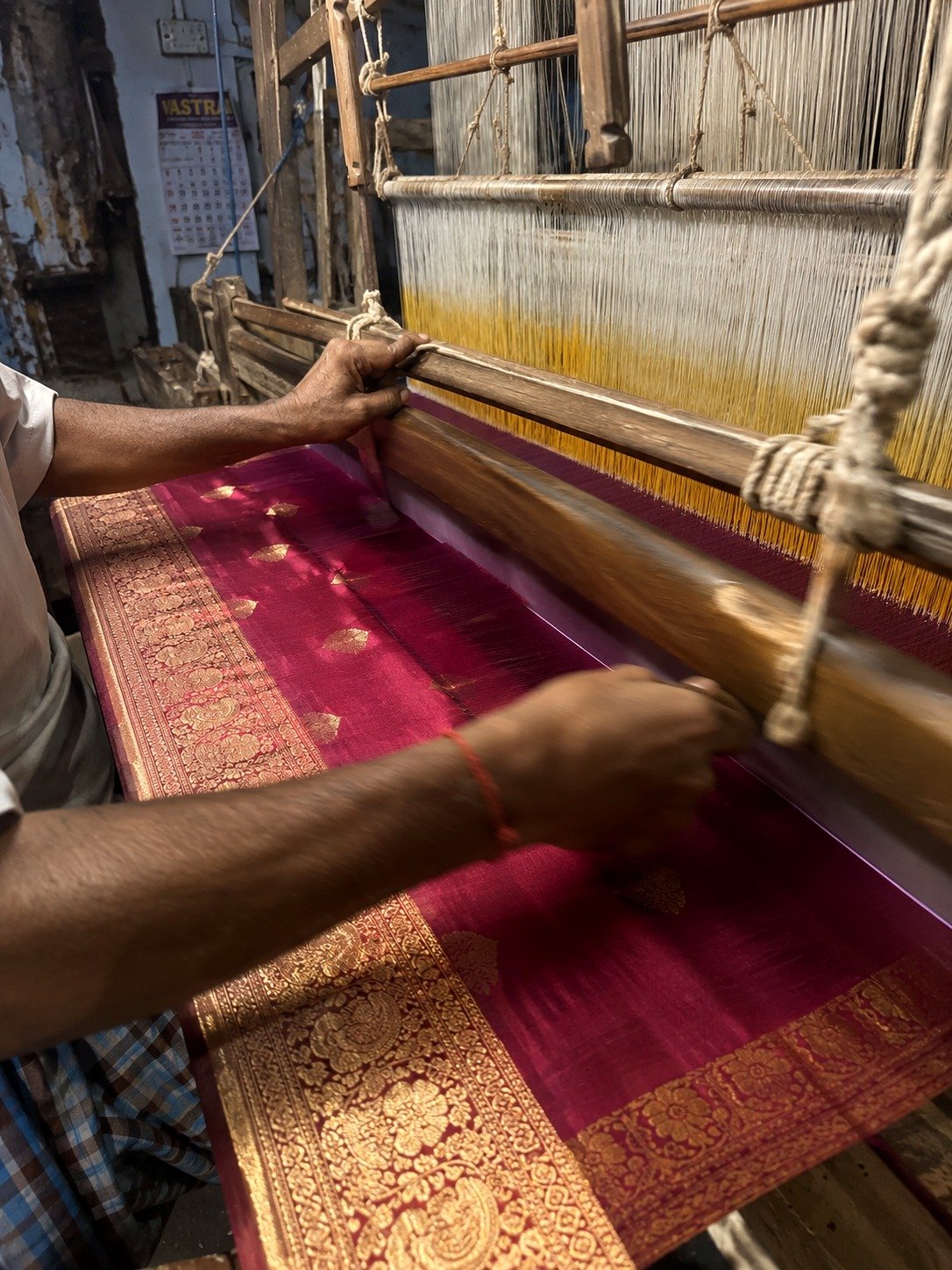
Before you buy a Banarasi saree, see one being made. The Weavers' Colony (in areas like Madanpura and Lallapura) is where much of the city's silk weaving genuinely happens — small home workshops, handlooms, the actual craft behind what's sold in shops.
- This isn't a staged "factory tour" — it's real working neighborhoods, so go respectfully and ideally with someone who knows the families
- Seeing the handloom process changes how you look at the saree itself — the hours of work behind a single piece become obvious
- A good time to combine this with genuine, honest silk shopping — we've written a separate guide on avoiding the tourist-trap version of that
Catch Live Classical Music, Often by Accident
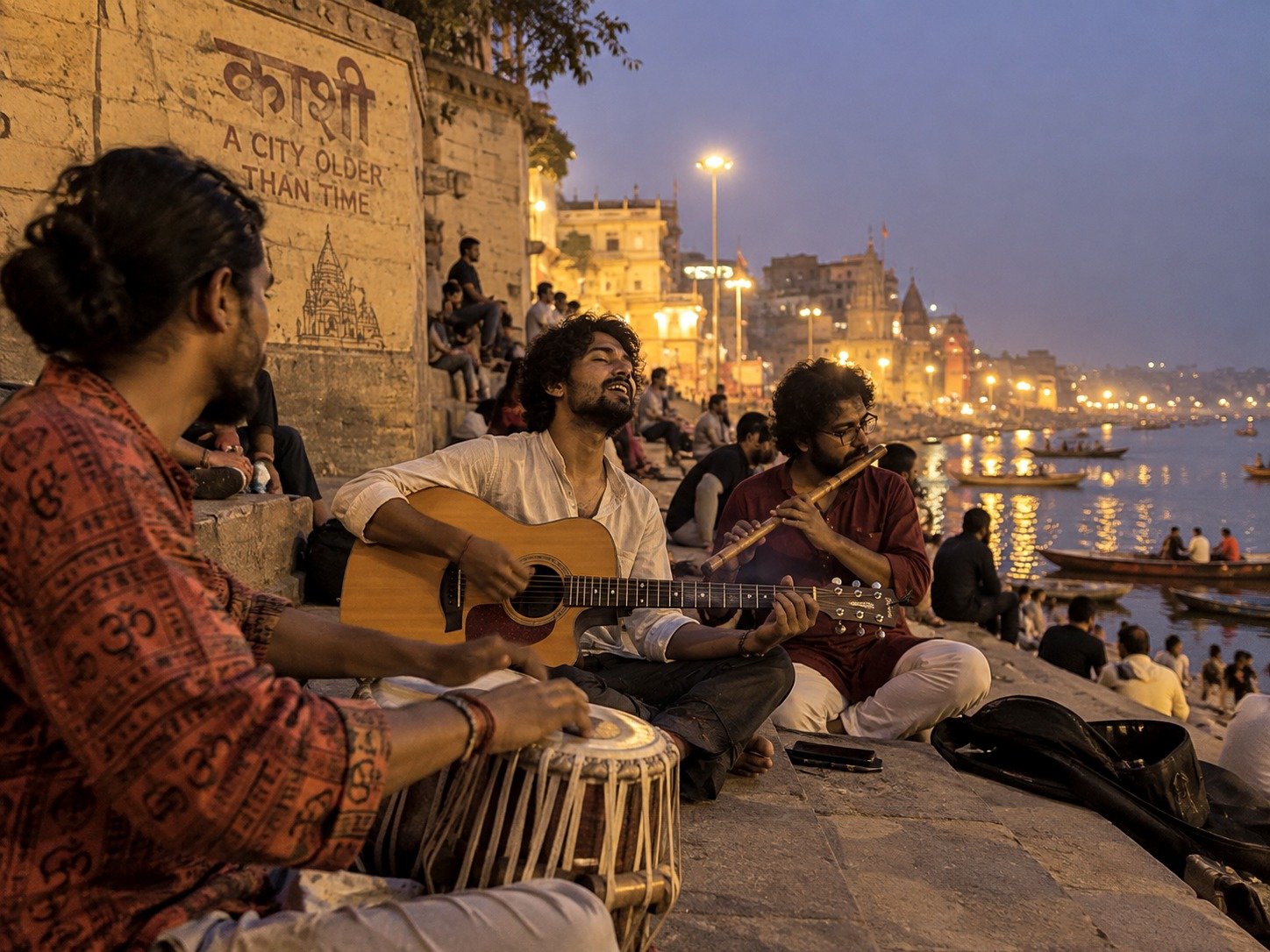
Varanasi has a genuine, living classical music tradition — not a tourist performance, just something that happens.
- Sankat Mochan Temple hosts a well-known annual music festival (Sankat Mochan Sangeet Samaroh), but informal classical music turns up far more often than that one event
- Near Assi Ghat, it's not unusual to come across musicians playing in the evening, unplanned, unadvertised
- The Academy of Indian Classical Music is worth knowing about if you want something more structured
The honest tip here: don't over-plan this one. Some of the best musical moments in Varanasi are the ones you simply walk into.
Understand Paan Culture (It's Not Just a Snack)
Banarasi paan has its own identity — locals sometimes call it "the finishing ritual," the thing that closes out a meal or an evening.
- It's worth trying at least once from a genuinely local paan shop, not a tourist-facing stall
- There's real variation — sweet, simple, or more elaborate versions — worth asking what's being offered before you bite in
- This is small, but it's the kind of everyday detail that tells you more about the city than another temple visit will
Eat Like Someone Who Actually Lives Here
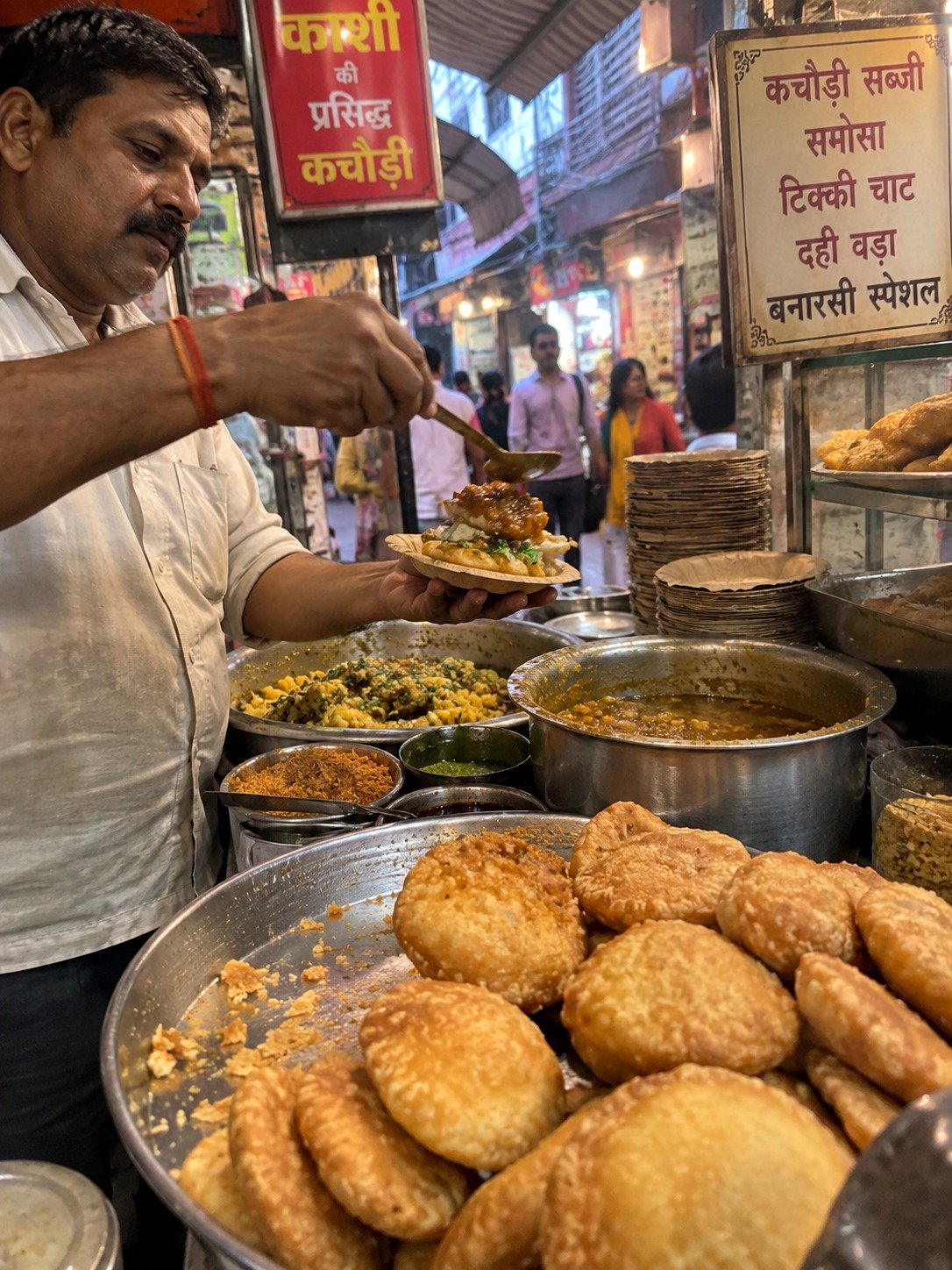
Varanasi's food scene extends well past prasad and religious offerings.
- Kachori-sabzi — a genuine local breakfast, found at small stalls, not restaurant menus
- Tamatar chaat — a Varanasi-specific chaat variation, tomato-based, not found everywhere in India
- Thandai — especially around festival season, a cooling, spiced milk drink with real local variation shop to shop
- Lassi — thick, often served in clay cups, and worth comparing between a couple of different well-known spots rather than assuming the first one is the best
Walk Through BHU's Campus
Banaras Hindu University is genuinely historic and architecturally significant, and almost never makes it onto a tourist itinerary. Even a short walk through the campus — including the Vishwanath Temple located within it, a different, calmer experience from the main Kashi Vishwanath — is worth the detour if you have any spare time.
A Few Questions People Often Ask
Does this take away from the spiritual side of a Varanasi trip?
Not at all — most people combine both naturally. A morning at the ghats and an evening finding live music aren't in competition with each other.
Is the Weavers' Colony safe and okay to just walk into?
It's a real residential/working area, so the honest answer is: go with someone who knows it, be respectful, and don't treat it like a photo opportunity. It's genuinely worth seeing, just not as a casual drop-in.
How much extra time does this add to a trip?
Even a half-day added to a standard itinerary is enough to experience 2-3 of these. None of them require a dedicated extra day on their own.
The Honest Bottom Line
Varanasi rewards slowing down and looking past the obvious list. These aren't hidden secrets — they're simply the parts of the city that don't make it into most itineraries, even though locals experience them daily.
Want a trip that includes both sides of the city — spiritual and everyday? We'll help you build it.
Message Us on WhatsApp