If someone you love has passed away, and you're reading this from another country, wondering whether Pind Daan can really be done without you standing there in person — you're not alone in asking, and it's a fair thing to want to understand before anyone asks you to trust them with it.
We're not going to sell you anything in this post. Just a plain, honest explanation of what the ritual actually involves, so you can go into it — with us or with anyone — knowing what should happen.
What Pind Daan Actually Is
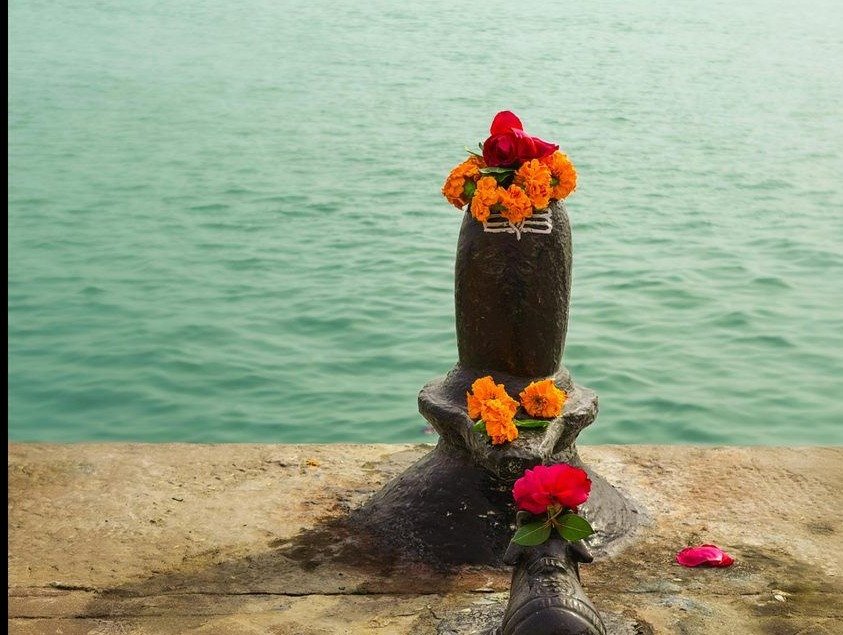
Pind Daan is a ritual performed for the peace of a departed soul's ancestors (pitrs), most commonly done in Varanasi, Gaya, or Prayagraj — places considered especially significant for this purpose in Hindu tradition. It's an act of gratitude and release, not a transaction, and it's typically performed by a family member (traditionally a son, though this has genuinely broadened over time — more on that below).
Varanasi's role here isn't incidental. The city sits on the Ganga at a point regarded as one of the most sacred in the entire river's course, and it's been a destination for exactly this kind of rite for generations — long before anyone was arranging it over WhatsApp.
What Happens, Step by Step
1. Sankalp (the resolve)
The ritual opens with the sankalp — a spoken declaration where the person performing the rite states their name, their family lineage (gotra), and their intention. This is the moment that formally "assigns" the ritual to a specific family and ancestor. It's also the answer to one of the biggest fears people have (see below).
2. Tarpan
An offering of water, usually mixed with sesame seeds, made to the ancestors — a gesture of nourishment and respect.
3. Preparing and offering the pindas
Small balls made of rice or barley flour (the pindas) are prepared and offered, representing the body and sustenance for the departed soul's journey. A qualified pandit guides this part precisely, since the specific mantras and sequence matter.
4. Visarjan
The pindas are finally offered to the Ganga — a symbolic release, letting the soul continue its journey.
The whole ceremony typically takes a few hours, guided throughout by the pandit.
The Real Fears, Answered Honestly
"Does it actually count if I'm not physically there?"
Yes. The sankalp is spoken in your name and your gotra, whether you're standing on the ghat or watching over a video call from thousands of miles away. Your presence — even remote — combined with your intention, is what matters. This isn't a workaround we invented; it's the same principle that's allowed families separated by distance, illness, or circumstance to perform these rites for generations.
"Can a daughter perform it, not just a son?"
Yes. While this was traditionally done by sons, it's now widely accepted and performed by daughters as well — including in Varanasi and Gaya specifically. If you've been told otherwise, or made to feel you don't have the right to do this for your parent, that's simply not accurate to how this is practiced today.
"What if I don't know the exact date it should be done?"
If the death anniversary (tithi) is unknown or uncertain, there's a specific day set aside each year for exactly this situation — Sarva Pitru Amavasya, the final day of Pitru Paksha (in 2026, this falls on October 10th). A knowledgeable pandit can also help you determine the correct timing based on what you do know.
"What if family members disagree about doing this remotely?"
This comes up more often than you'd think. Some elders in a family feel strongly that someone should travel in person; others are simply relieved it can be done at all, given work, health, or distance. There's no universally "more correct" version — a sincerely performed remote ritual, done properly, isn't a lesser one. What matters more than who's physically present is that it's done with the right intention and by someone qualified.
"How do I actually know it was done — and done correctly?"
This is the fair question underneath all the others, and honestly, the right way to answer it is with transparency, not persuasion:
- Ask for live video participation, not just a photo afterward
- Ask the pandit's name and background directly, before anything is paid
- A genuine provider won't be defensive about these questions — hesitation or pressure to "just trust us" is worth paying attention to
What It Typically Costs
We'd rather tell you a real range than leave you guessing. A Pind Daan performed properly in Varanasi — covering the pandit's fee and the ritual materials (samagri) — typically falls somewhere in the range of ₹5,000–8,000, depending on the specific rites included and the pandit's experience. Be cautious of anything advertised far below this; it's difficult to genuinely cover a qualified pandit and proper materials at a fraction of that. Equally, a much higher "package" price doesn't necessarily mean a more meaningful ritual — often it just means more has been added to the bill.
A Note on Choosing Anyone for This
We'd rather you go into this informed than convinced. If you use us, we'll be on a live call with you, the pandit will be named and known to our family personally, and you'll see the ritual as it happens, not just hear that it did. If you go with someone else, we'd genuinely encourage you to ask for the same — a real name, a real video, a real explanation of what's included.
This isn't something that should feel like a purchase. It should feel like something was done properly, for someone who mattered.
If you'd like to talk through what this would look like for your family specifically, we're here — no pressure, just a conversation.
Message Us on WhatsApp